
Share the address.
Start with the location, the condition, and what you’re considering doing with the property.
Inherited property Chicago, Illinois
The house may need work. It may still be full of belongings. You may live a thousand miles away.
Start with the property and what you want to do next. Talk through the condition, timing, and questions before deciding whether a direct sale is right for you.
YOUR INQUIRY
Check the address and the best way to reach you.
Tell us what you know. We’ll talk through the rest.
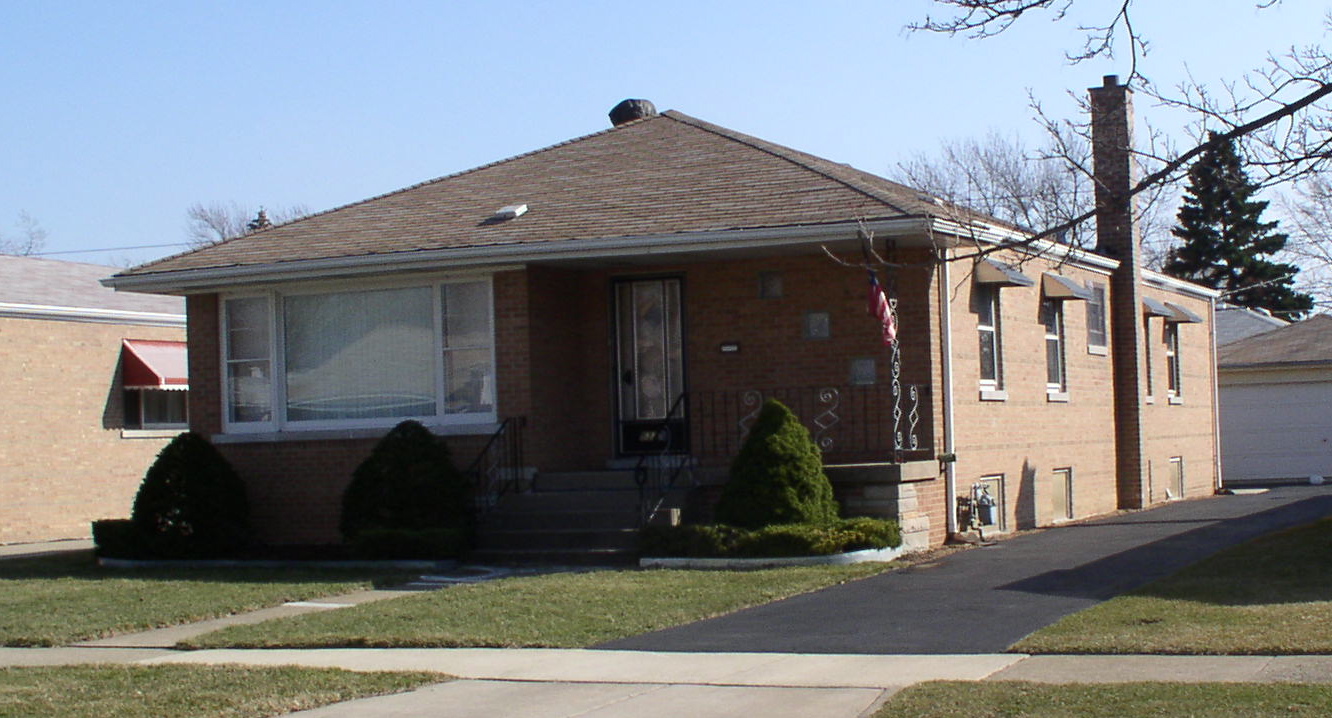
Start with the condition it’s in.
Photo: blahedo / Wikimedia Commons · CC BY-SA 2.5. Shown cropped.
COMMON INHERITED-HOME SITUATIONS
Start by explaining what you want to keep and what you hope to leave. Ask how furniture, cleanout, and remaining items would be handled, and put any agreement in writing.
Tell us about the house →Explain where you are, who can provide access to the house, and how you would prefer to communicate. Ask what would need to happen in person before agreeing to a plan.
Start with the property →Share who is involved and which questions are still open. A written proposal gives everyone the same details to review and discuss together.
Explain your situation →Compare it with an as-is listing, preparing the house for the market, or keeping it. Ask about the proposed price, costs, work involved, and timing for each option.
Compare the paths ↑STARTING A PROPERTY CONVERSATION
You don’t need to have the whole sale planned before asking questions.
Start with the location, the condition, and what you’re considering doing with the property.
Talk about belongings, repairs, family decisions, and your preferred timing. Flag what’s still unknown.
If a direct purchase is worth exploring, review the proposed price and terms before deciding.
QUESTIONS & ANSWERS
A useful conversation starts with the questions you actually have.
Ask about your propertyNo need to tidy up before starting a conversation. Tell us about the house as it stands, including belongings, repairs, and anything you’re hoping to leave behind.
Tell us what’s been settled and what you’re still working through. Include any probate, ownership, or family questions in your note so we understand where things stand.
Choose “Just exploring” in the form. You can organize your questions and compare a direct sale with other paths before deciding whether to take anything further.
We start with the location, the condition, and your timing. Repairs, belongings, and the details you share help us understand the house and talk through the next steps with you.
Ask who the purchasing entity is, how the proposed price was reached, which expenses you would pay, what happens to belongings, and what conditions could change the closing date. Review the actual written terms.
Enter the property address and a few details about your situation. Share the best way to reach you, and we’ll take it from there.
Start with the address. Take the questions one at a time.